

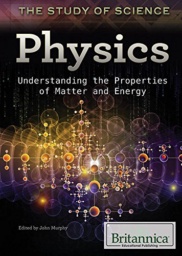
Physics: Understanding th... (2014)
by Britannica Educational Pub
Fission makes use of elements with very heavy atoms, such as uranium. A large amount of energy is required to hold together the nucleus of such a heavy atom. In fact, more energy is required to hold together the uranium nucleus than to hold together two nuclei that are half the size of a uranium nucleus. In atomic bombs and in fission reactors at nuclear power plants, uranium atoms are bombarded with particles, such as free neutrons. When a neutron hits a nucleus, the nucleus splits into two smaller nuclei, releasing a great deal of energy. In the reaction, called a chain reaction, some of the neutrons of the uranium nucleus fly off and hit other nuclei. These collisions in turn cause the other nuclei to split apart and release more energy and more neutrons.🏁
Global Leaderboard
| # | Player | Time | Duration | Accuracy | WPM | pp | ||
|---|---|---|---|---|---|---|---|---|
| 1 | ||||||||
| 2 | ||||||||
| 3 | ||||||||
| 4 | ||||||||
| 5 | ||||||||
| 6 | ||||||||
| 7 | ||||||||
| 8 | ||||||||
| 9 | ||||||||
| 10 |
Fission makes use of elements with very heavy atoms, such as uranium. A large amount of energy is required to hold together the nucleus of such a heavy atom. In fact, more energy is required to hold together the uranium nucleus than to hold together two nuclei that are half the size of a uranium nucleus. In atomic bombs and in fission reactors at nuclear power plants, uranium atoms are bombarded with particles, such as free neutrons. When a neutron hits a nucleus, the nucleus splits into two smaller nuclei, releasing a great deal of energy. In the reaction, called a chain reaction, some of the neutrons of the uranium nucleus fly off and hit other nuclei. These collisions in turn cause the other nuclei to split apart and release more energy and more neutrons.🏁